Our Supply Chain in Iran
We develop our saffron supply chain in Iran in the Khorasan region, in the north-east of the country, an area historically renowned for the cultivation of Crocus sativus.
This region accounts for a significant share of global saffron production, thanks to particularly favourable natural conditions.
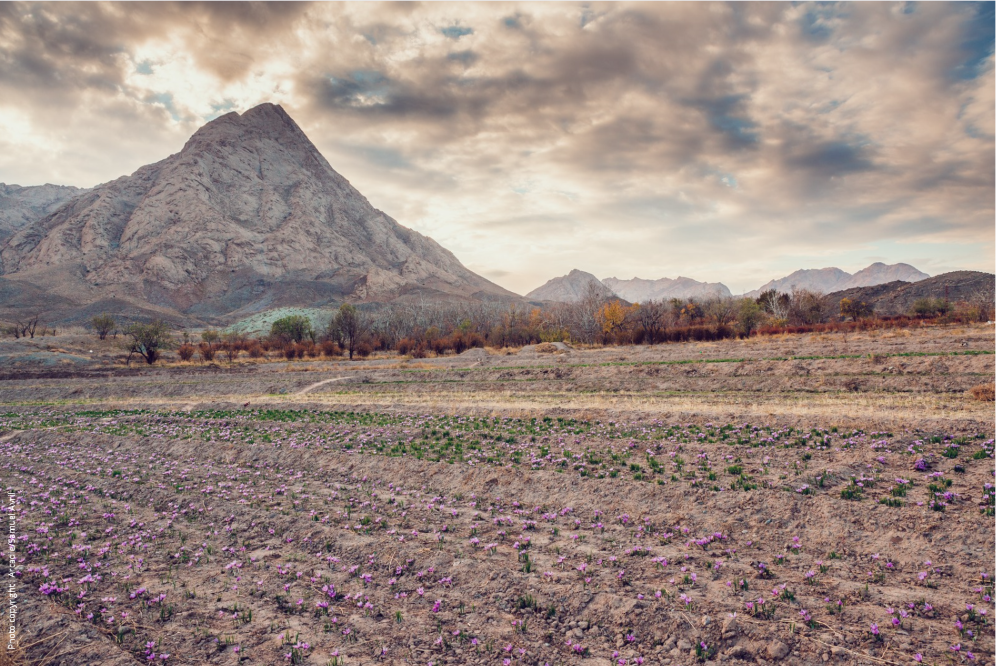
The supply chain was initially developed with a small number of local growers, with whom we gradually built long-term relationships.
Over time, we strengthened this organisation by partnering directly with growers and developing plantation projects, enabling us to maintain control over the entire production process.
Our presence on the ground allows us to monitor the crops, support growers and maintain full visibility over every stage, from harvesting through to packaging.
Saffron cultivation is based on traditional agricultural practices adapted to local conditions and naturally compatible with organic farming. The soil, climate and cultivation methods all contribute directly to the quality of the saffron, particularly to the concentration of active compounds such as safranal, which is responsible for its characteristic aroma.
Flowering takes place each autumn over a very short period. Harvesting is carried out entirely by hand at dawn, while the flowers are still closed. Each flower is then opened manually to extract its three red stigmas, the only parts used.
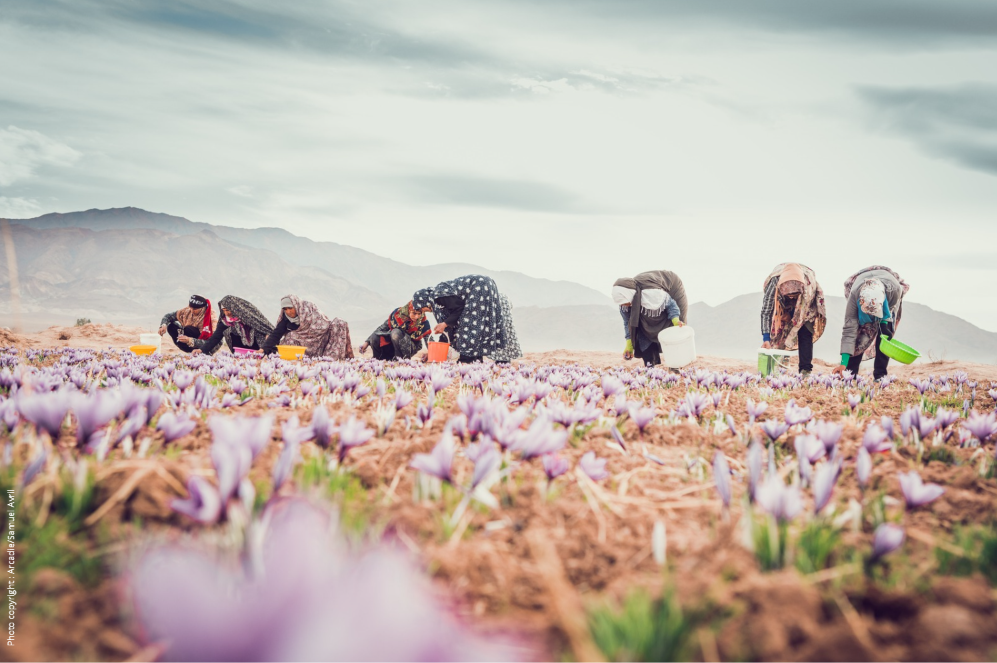
This meticulous process requires significant manual labour and specific expertise, contributing to saffron’s rarity and value.
Drying the stigmas is a crucial stage, helping to stabilise the active compounds and develop the product’s characteristic aromatic profile.
Quality controls are then carried out, including microbiological and chemical analyses as well as measurements of active compounds, to ensure consistency and compliance across batches. Today, this structured supply chain enables us to offer traceable, consistent saffron that meets the requirements of the food, nutraceutical and cosmetics industries.
Saffron Stigmas
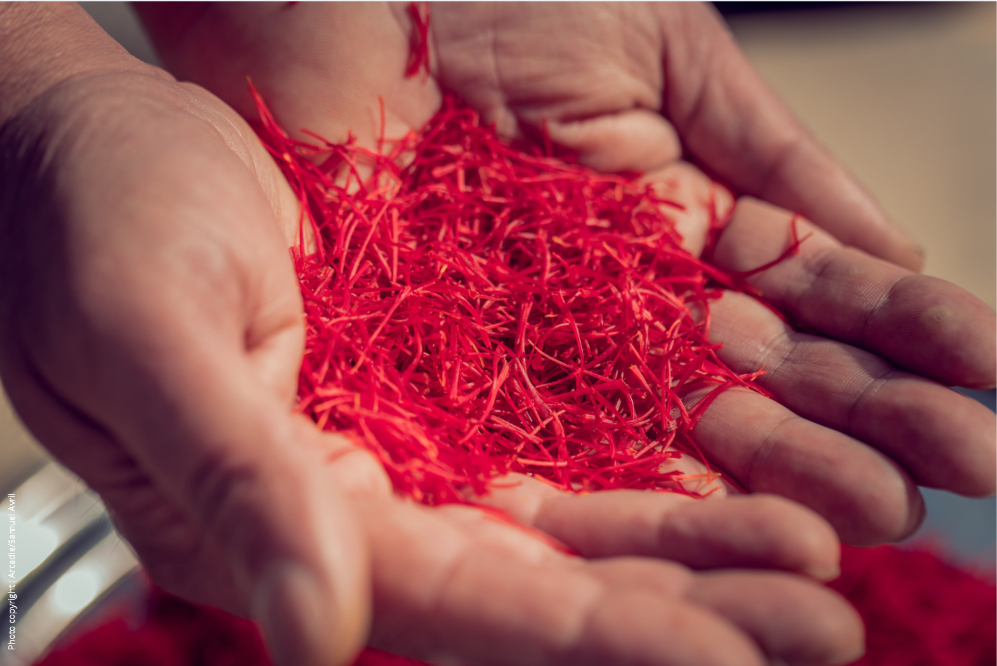
Our saffron is available as whole stigmas, selected for their quality, aromatic intensity and high concentration of active compounds. This is the least processed form of saffron and the one that remains closest to the plant itself, making it suitable for both dietary supplements and cosmetic active ingredients.
Dried Saffron Flowers
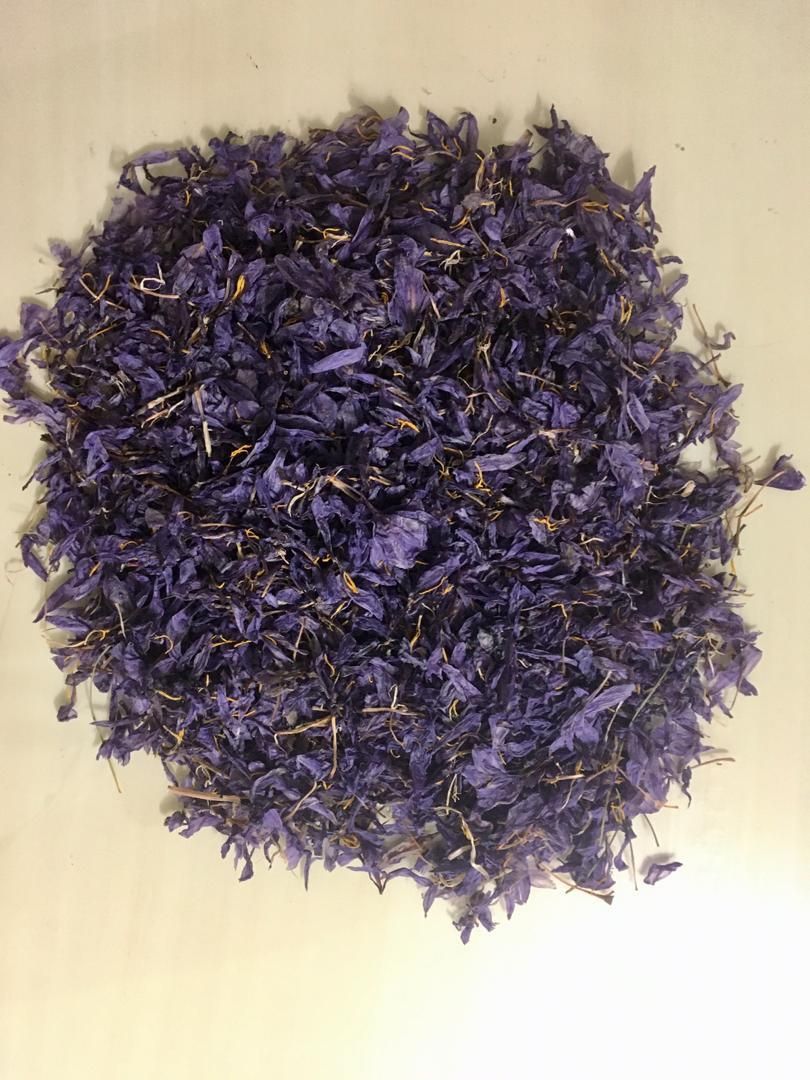
Crocus sativus flowers can also be valorised. They retain some of the plant’s properties and are intended exclusively for specific applications in the cosmetics industry.
Available on request only. If you are interested in this product, please feel free to contact us before the October harvest.